📅 Updated: July 2026 · Written by Tom · 13 min read
Best Truck Cold Air Intakes: Real Gains vs Marketing Hype
Cold air intakes are one of those truck mods that sound great in theory — "more air, more power, better fuel economy" — but the reality is more complicated. I've put cold air intakes on two of my three trucks, and I've taken one off. Here's what they actually do, what's marketing hype, and when they're worth the money.
📖 Contents
What it actually does
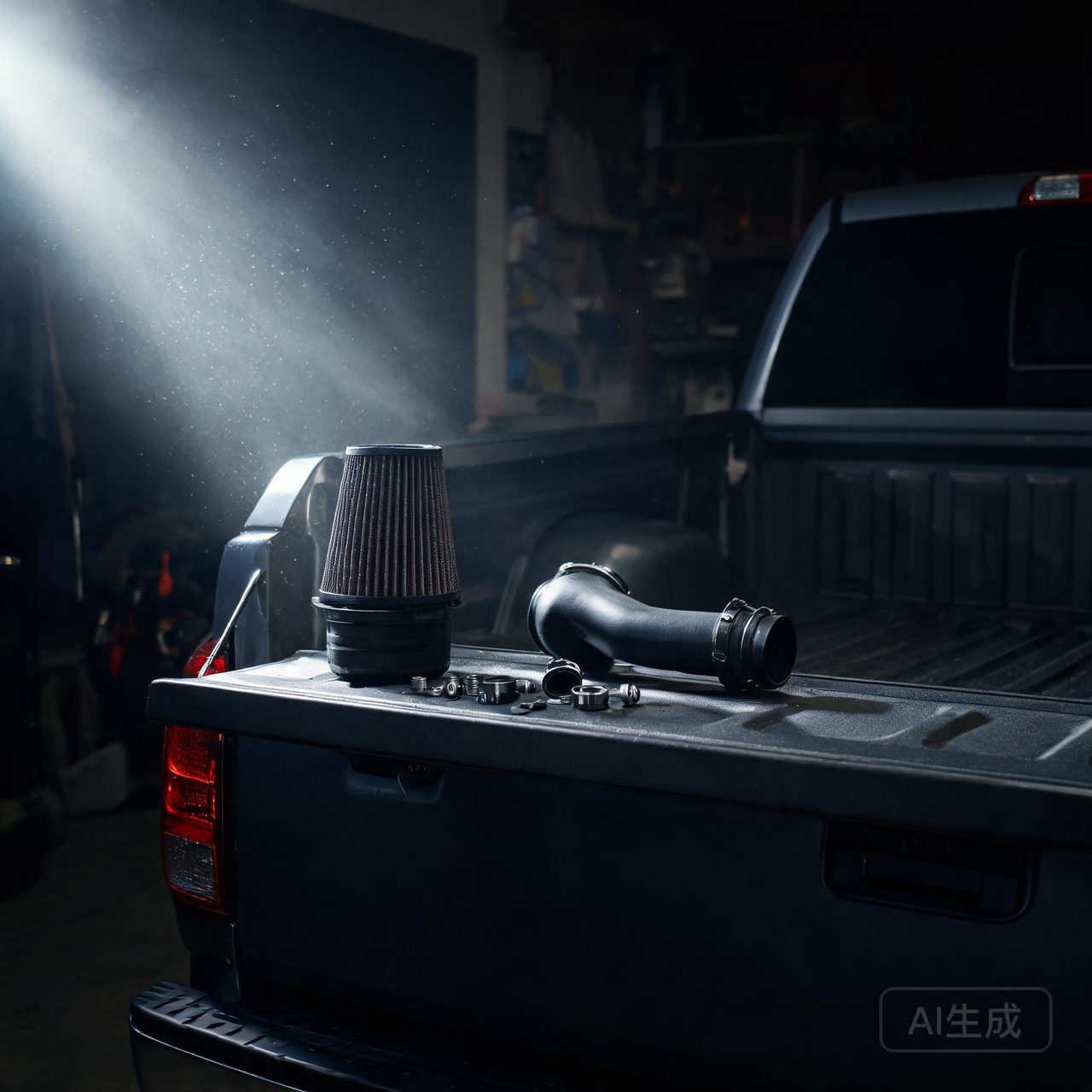
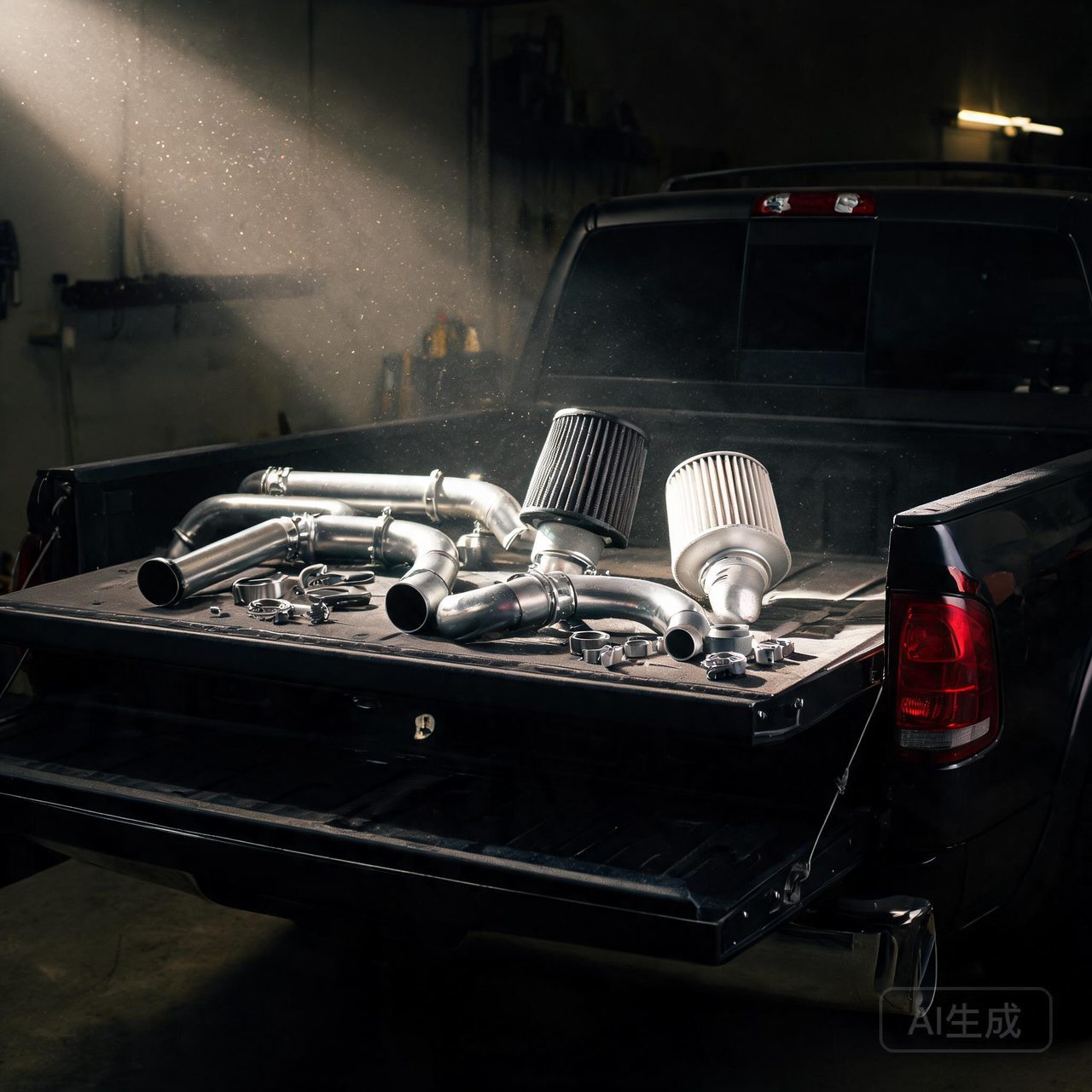
A cold air intake replaces the factory air box and intake tube with a larger-diameter tube and a high-flow filter. The idea is that it pulls cooler, denser air from outside the engine bay (where air is heated by the radiator and exhaust) into the engine. Cooler air has more oxygen per volume, which means more efficient combustion and — in theory — more power and better fuel economy.
The reality: modern trucks already have pretty good factory intakes. The factory air box is designed to balance airflow, filtration, and noise. A cold air intake improves airflow (less restriction) and sometimes pulls air from a cooler location, but the gains are small — and they come with trade-offs.
Real-world gains (and what's hype)
Power gains: 5–15 horsepower at the wheels, depending on the truck and the intake. That's real, but it's not transformative. You'll feel it in the mid-range (3,000–4,500 RPM) where the engine breathes better, but you're not going to notice it in daily driving. If someone tells you they gained 30 HP from a cold air intake alone, they're lying or they're also running a tune.
MPG gains: 0.5–1.5 MPG in real-world driving, if you're lucky. Most people see no change or a slight decrease because they drive more aggressively to hear the intake noise. The "improved fuel economy" claim is marketing — the ECU adjusts fuel delivery based on airflow, so any efficiency gain is offset by the engine using more fuel to make the extra power.
Sound: this is the real reason most people install cold air intakes. They make the engine sound more aggressive — you hear the intake sucking air when you accelerate. Some people love it; some people hate it. It's subjective.
Filtration: high-flow filters (K&N, AFE) flow more air but they filter less than factory paper filters. They let more dust and debris into the engine, which can increase wear over time. If you drive in dusty conditions (off-road, construction sites, desert), a cold air intake with a high-flow filter is a bad idea.
What I'd actually buy
- K&N 63 Series AirCharger — my top pick for most trucks. It's a cold air intake that pulls air from the fender well (cooler than engine bay), it comes with a high-flow filter that's washable and reusable, and it's 50-state legal (CARB compliant). $300–400. If you want a cold air intake that actually works and doesn't void your warranty, this is it.
- AFE Momentum — similar to K&N but with a slightly different filter design. It's also 50-state legal and it comes with a heat shield to keep engine bay air out. $350–450. If you want the best filtration and airflow, AFE is the premium option.
- Banks Ram-Air — Banks is known for diesel performance, but their gas intakes are solid too. They're more expensive ($400–500) but they're built for heavy-duty use and they come with a lifetime warranty. If you tow or haul heavy loads, Banks is worth the money.
- Spectre Cold Air Intake — the budget option. It's $150–200, it flows more air than the factory intake, and it's CARB compliant. The filter isn't as good as K&N or AFE, but for the price, it's a solid entry-level option.
Avoid the no-name Amazon intakes — they're not CARB compliant (illegal in California and states that adopt California emissions standards), the filters are garbage, and they can void your warranty. If you're going to spend $300+ on an intake, buy K&N, AFE, or Banks.
Installation and tuning
Most cold air intakes are bolt-on installations that take 1–2 hours with basic tools. You remove the factory air box, install the new intake tube and filter, and reconnect the MAF (mass airflow) sensor. No tuning required for most intakes — the ECU adjusts automatically.
However, if you want maximum gains, pair the intake with a performance tune. A tune adjusts the air/fuel ratio and timing to take advantage of the increased airflow. The intake alone gives you 5–15 HP; intake + tune gives you 20–30 HP. The tune costs $400–600, so it's only worth it if you're already modifying the truck.
The mistakes I made
- Buying a non-CARB-compliant intake. I bought a cheap intake online that wasn't CARB compliant. It failed emissions and I had to replace it with a legal one. Check for the CARB EO number before you buy.
- Not heat-shielding the intake. I installed an intake that pulled air from the engine bay instead of the fender well. The "cold air" was actually hot engine bay air, and I lost power instead of gaining it. Make sure the intake pulls from outside the engine bay.
- Driving in dusty conditions with a high-flow filter. I took my truck off-road with a K&N filter and the MAF sensor got coated in dust. It took $200 to clean and recalibrate. If you drive in dusty conditions, stick with the factory filter or use a pre-filter on the intake.
- Expecting massive MPG gains. I installed an intake expecting 3 MPG improvement. I got 0.5. The "fuel economy" claim is marketing — the ECU adjusts fuel delivery, so any efficiency gain is offset by the engine using more fuel to make the extra power.
- Not checking the warranty. Some intakes void the powertrain warranty. K&N and AFE are 50-state legal and don't void the warranty (Magnuson-Moss Warranty Act protects you), but check before you buy.
Cold air intakes are a real mod with real — but small — gains. If you want more power, better sound, and you're willing to spend $300–500, a K&N 63 Series or AFE Momentum is worth it. If you're expecting massive MPG gains or 30 HP without a tune, you'll be disappointed. If you're tracking your total cost of ownership, my truck TCO calculator factors in mod costs and fuel savings over the life of the truck.
I've put cold air intakes on two trucks and taken one off. One guy, three trucks, strong opinions about what's worth the money.